
What is there to be said about M.U.G.E.N that hasn’t been said before? Originally released in 1999, M.U.G.E.N is still going strong with hundreds if not thousands of new characters and stages released for it by fans every year. With such a strong legacy, the engine more than lives up to its title.

As iconic as M.U.G.E.N is for its sheer absurdity, not everyone is familiar with the fact entire games have been built for M.U.G.E.N from the groundup. Indeed, the engine is iconic for goofy Saltybet videos of Shiki Tohno fighting Ronald McDonald to the death and the like, but it has been used for a plethora of serious projects as well. These projects include Terrordrome, The Black Heart, Evangelion, and many more. Obviously, M.U.G.E.N is a rather ancient engine, and as such it has seen various updated versions over the years.
The most iconic one is Ikemen (Short for Itsumademo Kanseishinai Eienni Mikansei ENgine, a play on the word “ikemen” which refers to attractive men in Japanese pop culture) which is notable for being compatible with M.U.G.E.N content while allowing stage zooms and netplay matches. Unsurprisingly, entire games have also been built within Ikemen.
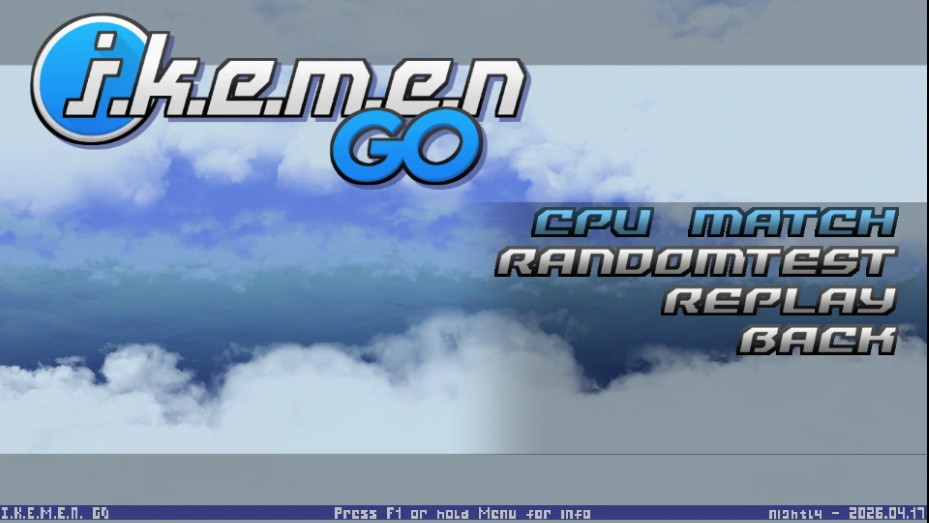
Lately, one of my favourite games to come out of the engine is Famicom Fighters, a fan-made crossover for some of my favourite games on the system. While it is obviously not a true 8-bit game, it is a great game in its own right which performs a beautiful job of homaging the classics. Join me today as I showcase the games visual, surprisingly in-depth combat system, and much more.
Graphics:
Right off the bat, I was blown away by the usage of in-between frames in Famicom Fighters. It would have been easy enough to copy and paste sprites from games like Mega Man 6 or Metroid before calling it a day, but Famicom Fighters truly goes above and beyond in reimagining the characters from the original games as fighting game heroes. For example, one need only take a gander at Mario’s animations for two seconds to realize the sheer passion poured into the combat animations.
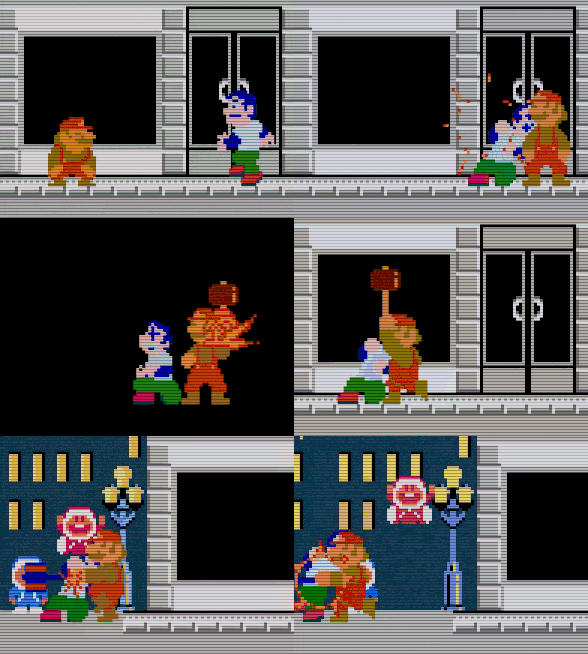
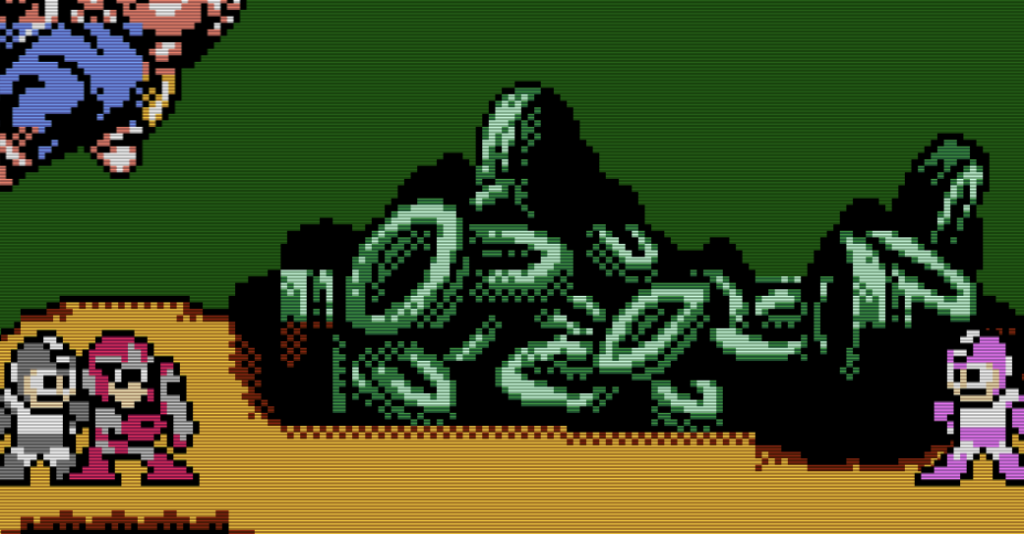
Another attention to detail which really impressed me was the sheer number of cameos on each stage. Of course, the Ice Climbers are visible in Urban Champ’s stage above, but the same stage also features Mike from Startropics presumably enjoying his chewing gum break.
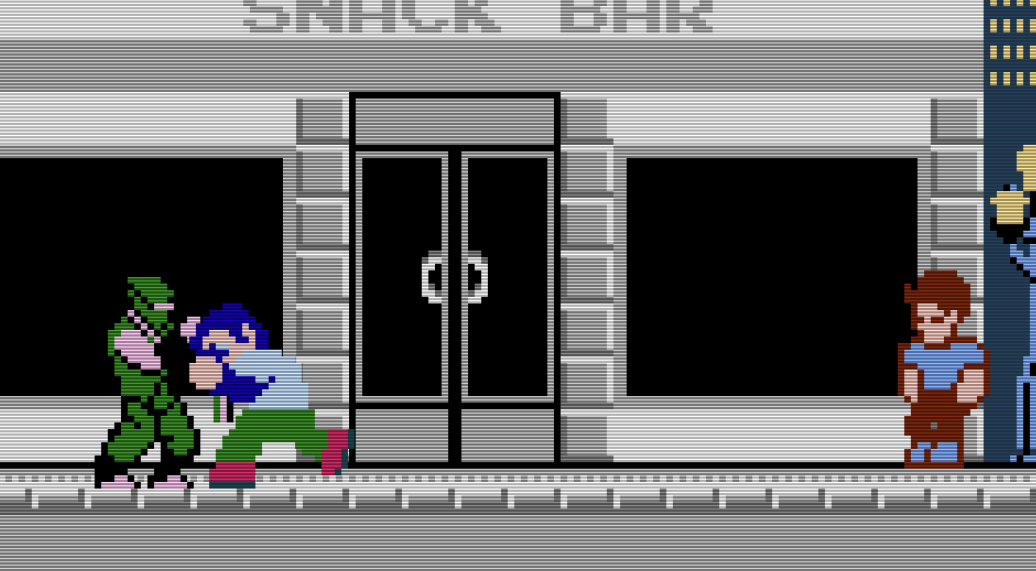
The Ninja Gaiden stage features random enemies from the series, the Castlevania stage features Bloody Skeletons, and so forth. Given that the NES/Famicom was the home to roughly 1,000 games (even before getting into bootleg/homebrew games) it would be impossible for any one video game to honour the entire system’s legacy, but jeez does this little Ikemen project try its best.
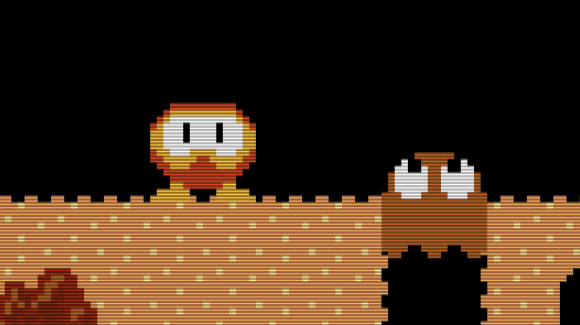
To be honest, I don’t have a single stage I dislike. I did mention bootleg games earlier. Famicom Fighters is rather interesting in that it features stages from all manner of games, ranging from Namco classics to the strange Earthworm Jim 3 NES bootleg. The stages do differ somewhat in quality as a result, but that’s to be expected with a zero budget, non-profit production like this.
One might also notice the sheer amount of care that went into the colour palettes for each character. Naturally, most of them are simple costume swaps. Ryu Hayabusa can wear a green gi. Mega Man has a costume based on the infamous bad box art from his debut game, which actually goes beyond a mere palette swap by replacing his Mega Buster with a gun. It’s probably my favourite alternate costume in the game, to be honest.
?file=Mmbox1.png)
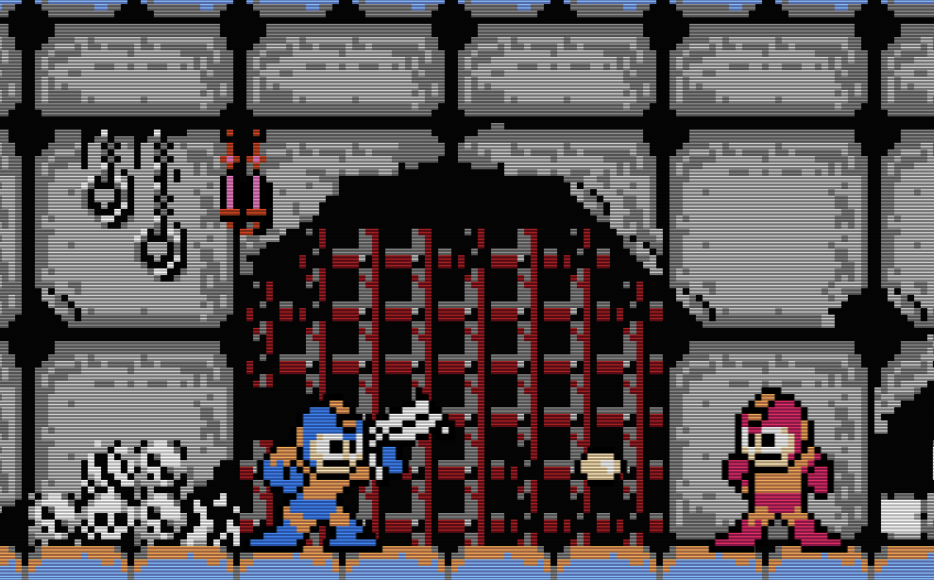
Some of our readers will be happy to know every character has six different costumes. The player can select between three costumes by pressing attack A, attack B, or assist. An additional three costumes can be accessed by holding start before pressing the button of choice.
As a result, many extra characters are playable in the form of palette swaps. Ryu Hayabusa has an orange gi which harkens back to his father Joe (or Ken, going by the NES localizations), White Bomberman has a palette swap in the form of Blue Bomber among other Bombers, an SMB1 Luigi palette swap can be selected, and so forth.
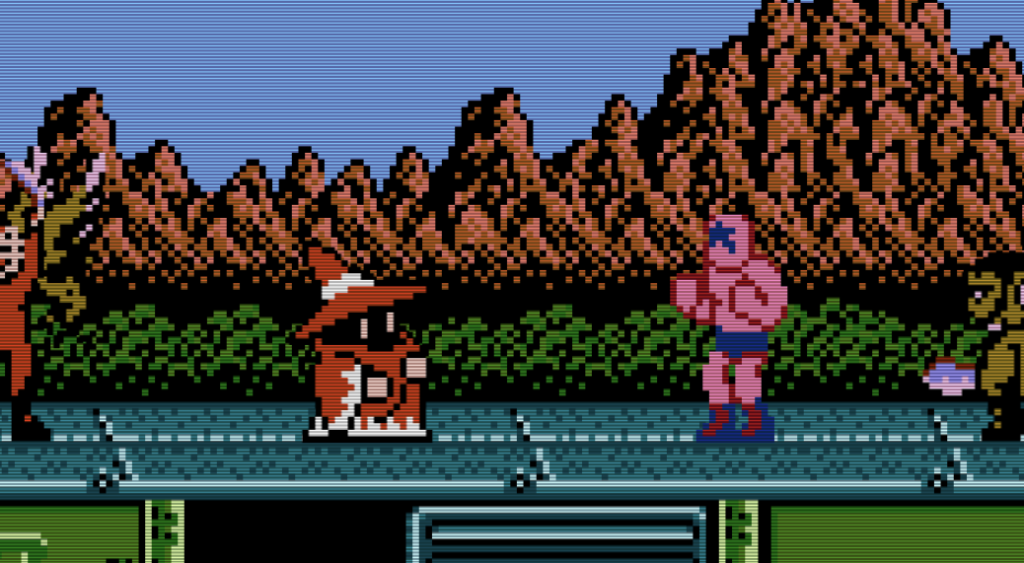
On the whole, the game’s graphics are rather anachronistic, of course. After all, an NES game would flicker far more than Famicom Fighters does. Additionally, there are far too many unique colours on-screen at any given time, with too many tiles featured without the game slowing down. However, Famicom Fighters was never developed with the intention of porting it to the NES down the line.
Much like Mega Man 9 or Bomberman Party Edition, it serves more as a throwback title which approximates the aesthetic of its original inspiration. And personally, I’m all here for that. It even features a fairly neat optional scanline filter, which I’ve enabled for every screenshot shown in this article. It doesn’t display the glow or curvature of something like CRT-royale filters, but it gets the job done well enough in my book.
Audio:
The sound design in Famicom Fighters is simply amazing and I have nothing but praise for it. Each character has battle sound effects lifted directly from their original games. While it sounds like this may cause the sound effects to clash on paper, this isn’t actually the case. Due to how simple the NES was in terms of audio capabilities (especially compared to the SNES with its sheer variety of sample libraries), Simon’s whip naturally blends in with, say, Ryu’s sword swings. Mega Man’s buster does not sound out of place next to anything Samus shoots out.
Indeed, extreme care is taken to ensure every character has a unique audiovisual identity. Every character even has a unique victory and KO jingle. The Castlevania and Ninja Gaiden game over jingles in particular triggered quite a few flashbacks to the most brutal levels in those games.
However, not every piece of music in the game is taken wholesale from the source material. In fact, the stages in Famicom Fighters are home to some unique medleys which pay tribute to different iconic themes and entries from each series represented. Simon Belmont’s theme mixes Wicked Child with Bloody Tears.
Mega Man’s theme seamlessly blends Dr. Wily’s first fortress theme from Mega Man 2 with his second fortress theme from Mega Man 3, which is no easy feat given the sheer difference in tone between both tracks. The list just goes on. There are even a few completely original pieces of MMC5 music composed by the game’s creator, and they are solid in their own right. No notes.
Story:
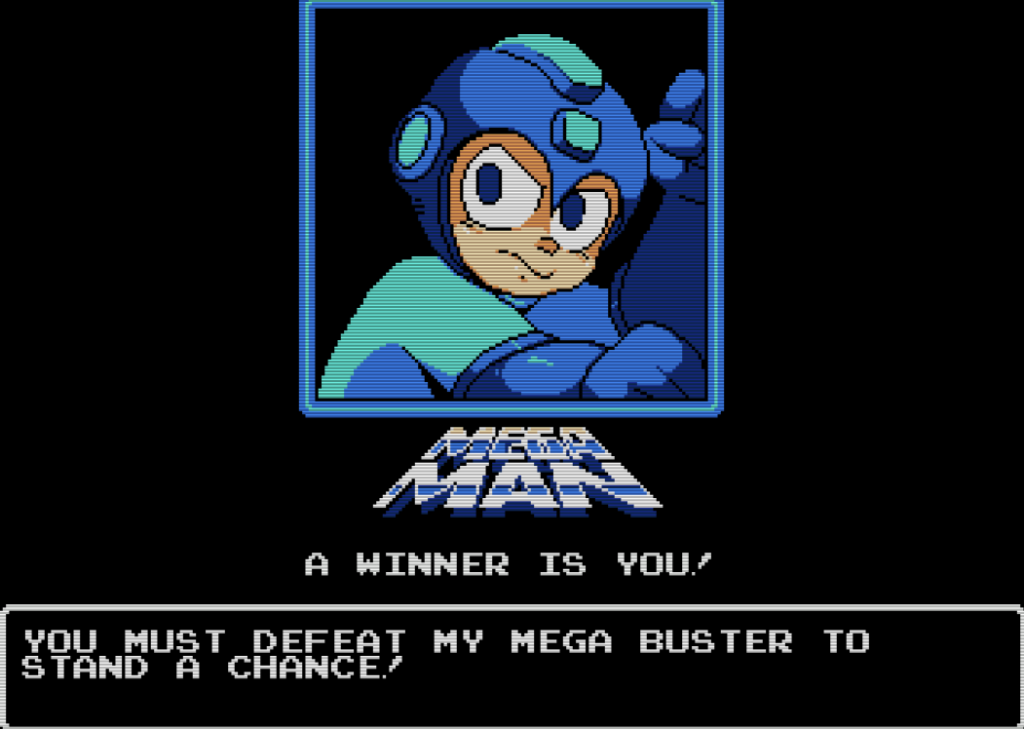
Obviously, Famicom Fighters has very little in the way of story. However, I would have felt bad if I neglected to mention how much I adored the post-battle dialogue from each fighter. There are plenty of references to each fighter’s home franchise, often used in a very tongue-in-cheek way. One example is Mega Man’s victory quote which contains a reference to a very infamous quote from another Capcom game.
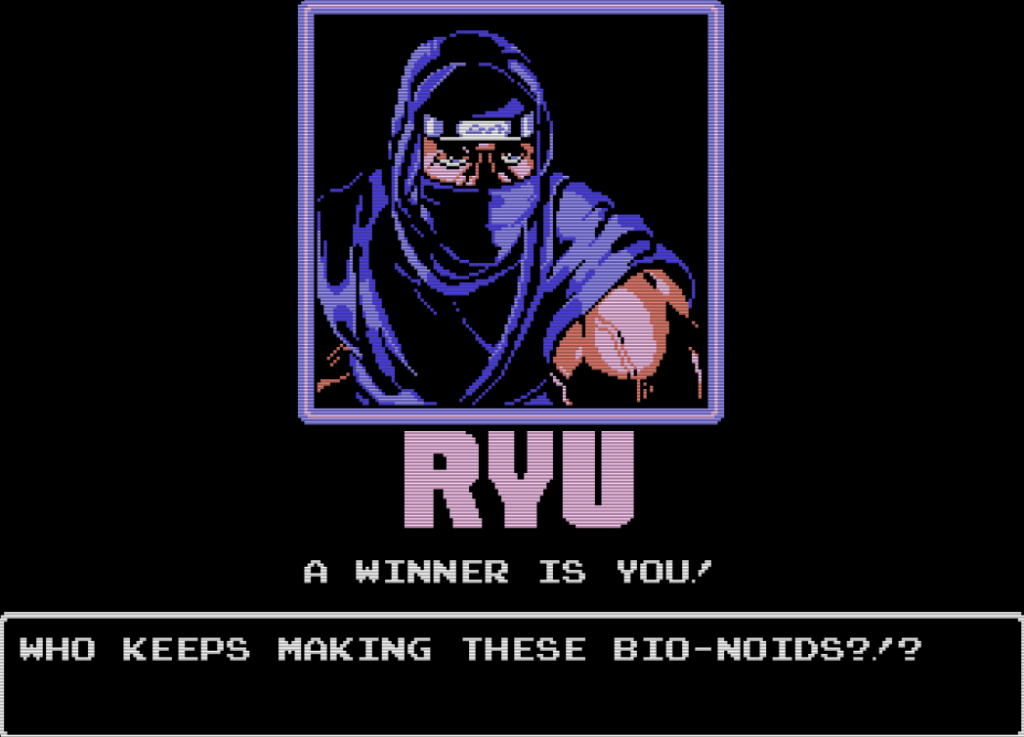
There are even unique victory quotes for some character interactions. For example, should Ryu Hayabusa win a mirror match, he will reference the bio-noid clones from his home series.
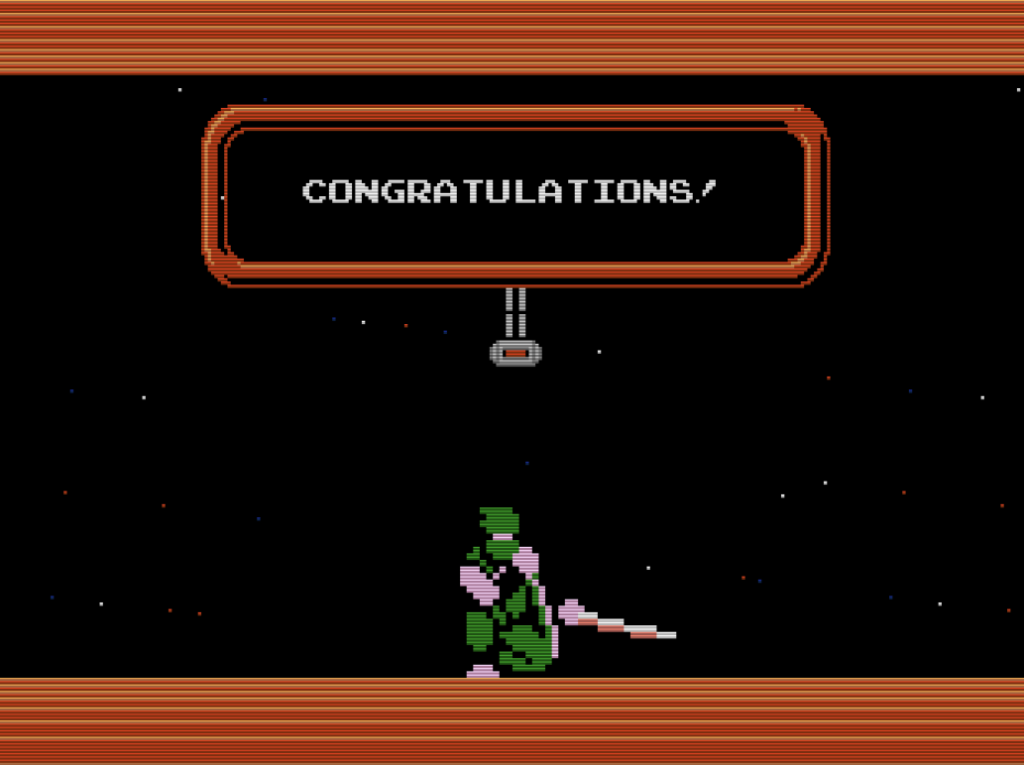
I just wish each character had their own ending cutscene. Each character shares a simple “CONGRATULATIONS” screen after clearing arcade mode.
Gameplay:
Of course, every other factor is for naught if the combat in a fighting game isn’t up to snuff. Famicom Fighters copies the control format of an NES fighting game like Joy Mech Fight to the tee. As such, there are only two attack buttons, with select being used to call an assist. This may not sound like much, but Famicom Fighters cleverly makes the most of this by copying Marvel VS Capcom 2’s style.
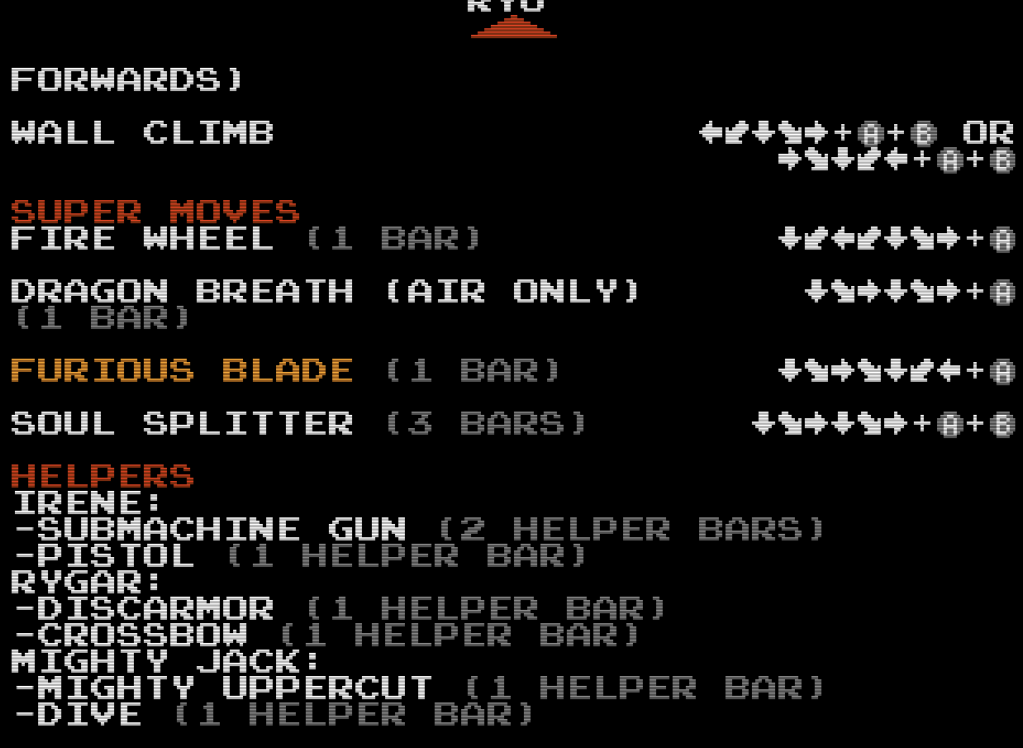
See, in MVC2, there was no medium attack button unlike in Marvel VS Capcom: Clash of Superheroes. To compensate, each character in MVC2 can perform medium attacks by landing two light attacks in a row. The same applies for Famicom Fighters; each character can press A twice in a row to chain into a second attack, as well as kara cancel into special moves like any other fighting game. The combat depth is much greater than I expected, as a result. This is especially true because every character has multiple supers, alpha counters, EX variations of their special moves, and more.
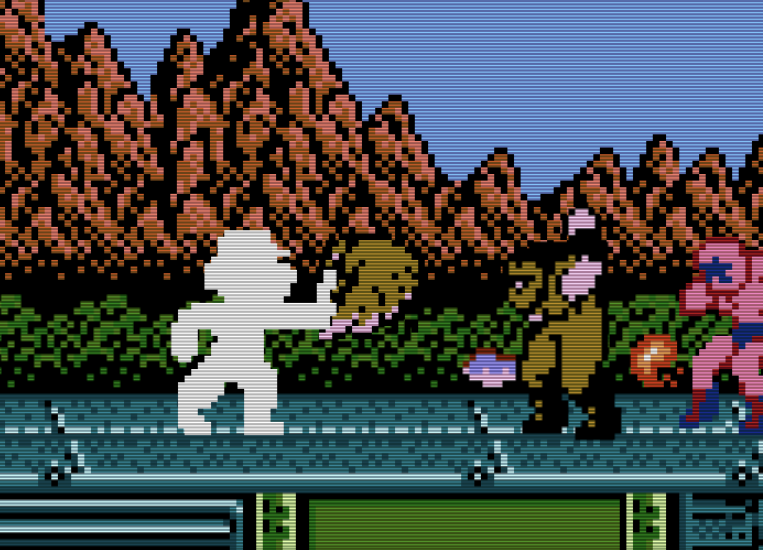
And I must say, the hit impacts feel just right. Characters flash white when performing EX attacks to signify the increased power. The super moves have short cinematic cuts. There are even flashing messages if the player manages to end a round with a super attack.
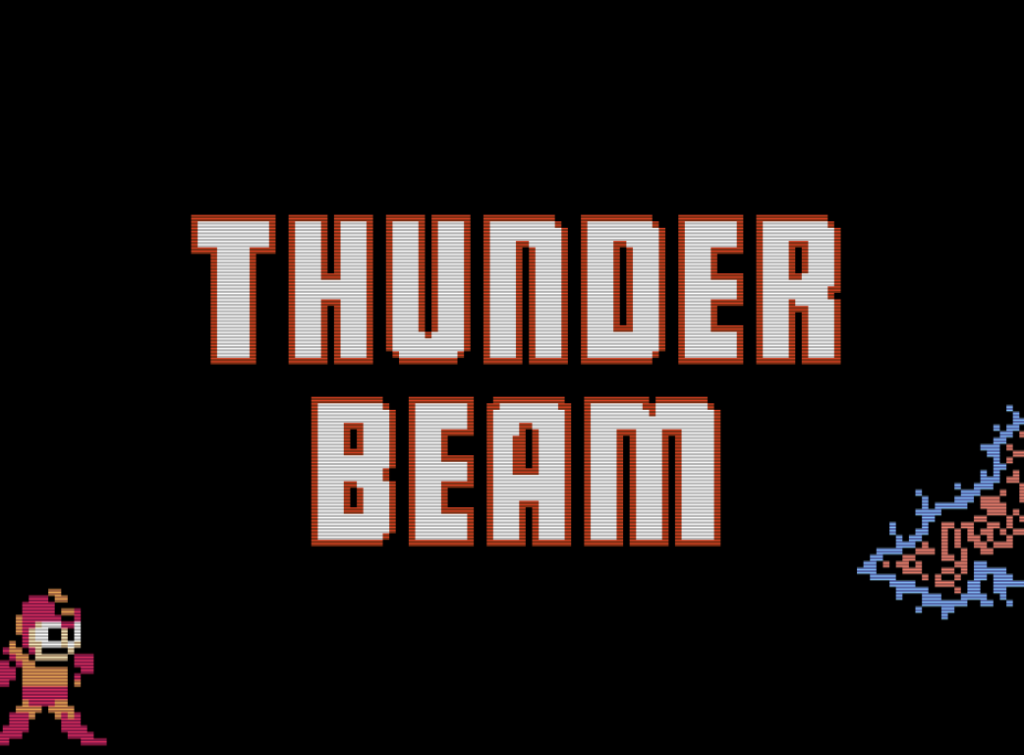
I already mentioned the variety of stages beforehand. I must also mention the variety of modes. Of course, there is a tag team mode like in Marvel VS Capcom. This allows the player to choose two characters in one round to swap between, or call as an assist. I found this to be the most fun mode of the game because it was interesting to find synergy between characters. My main team was Ryu and Mega Man. Ryu has trouble comboing into some of his hard attacks because of the sheer start up, but Mega Man’s Star Shield assist keeps the enemy locked down for quite a while, which helps Ryu in melee range.
Mega Man can also charge his super bar (yes, Famicom Fighters has a “meter charge” mechanic when the player holds A+B, similarly to games like Melty Blood) faster than Ryu can. As a result, I found myself building meter with Mega Man before tagging into Ryu given that the latter has potentially trickier supers to deal with like the angled fireballs.
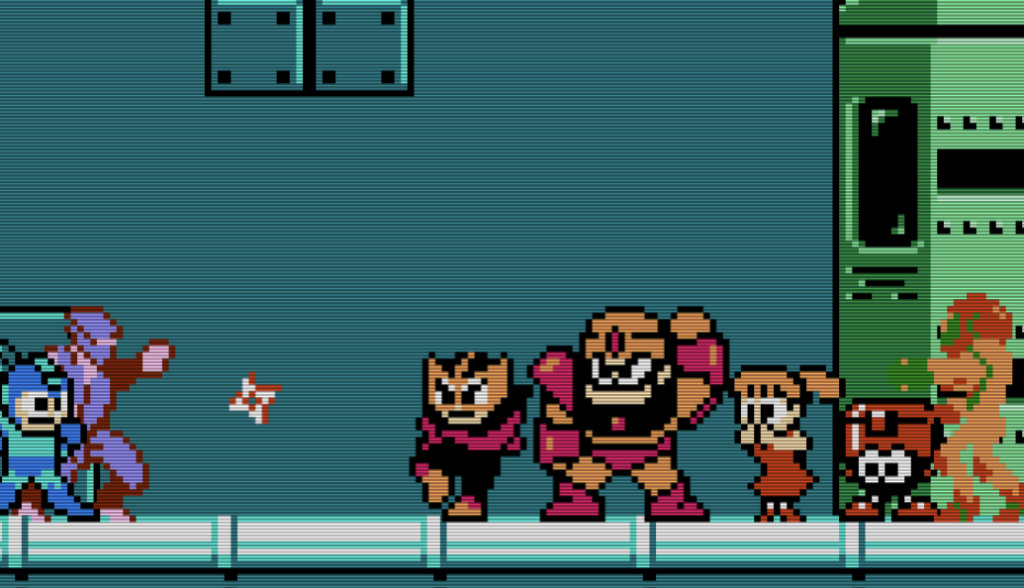
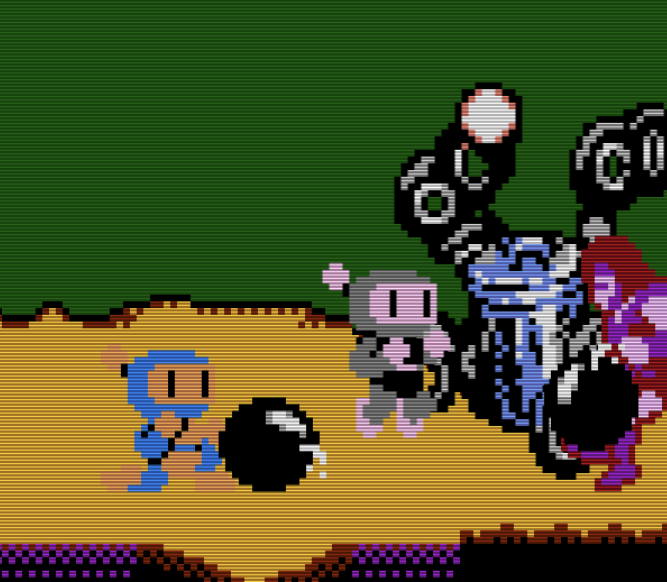
There were other teams I enjoyed using, of course. Simon Belmont and Bomberman, or the Super Konami Bros as I’ll call them, worked quite well together. I managed to lock down enemies with Bomberman’s bomb traps and then throw out moves like Simon’s Holy Water for maximum shenanigans.
However, if the player does not want to use the tag team mode, they still get an assist character. See, this mode works similarly to MVC1’s wherein the assist character cannot be tagged into as a playable character, but they can still throw out an attack or two to help the player escape pressure or simply build a combo. For instance, in single character mode, Mega Man can call Proto Man as an assist, Bomberman can call Black Bomber, Ryu can call his wife to shoot people for him, and so forth.
Overall, it’s a surprisingly complex game with a great character and stage roster. It pays tribute to the mainstream and obscure parts of the NES library in almost equal measure. What other game would feature Mario and Samus next to Thonolan and Urban Champ, for crying out loud? In conclusion, Famicom Fighters is an amazing fan-made fighting game and I cannot recommend it to fighting game fans enough.
Article edited by A.G.
